Sick or Injured Wildlife
If you find sick or injured wildlife please contact one of the below centres:
- Murdoch Veterinary Hospital 24 Hour Emergency Centre | Phone: 1300 652 494
- WA Wildlife | Phone: 9417 7105
- Wildcare Hotline | Phone: 9474 9055
You should only transport sick or injured wildlife if it is safe to do so. If there is no risk to yourself or others, and the animal can be transported, make sure you:
- Pick up the animal with both hands
- Keep your hands away from mouth areas or sharp claws
- Cover the animal with a light towel or cloth
- Transport the animal in an enclosed box with air holes
Common animals to look out for include:
- Bobtail lizards
- Native birds including black cockatoos
- Southern brown bandicoots
- Quendas
Please note: If an animal, such as a long-necked turtle, is unharmed but wandering across the road you can move it off the road in the same direction it’s heading. Do not try to take it back to water, unless it’s already heading in that direction.
Feeding Wildlife
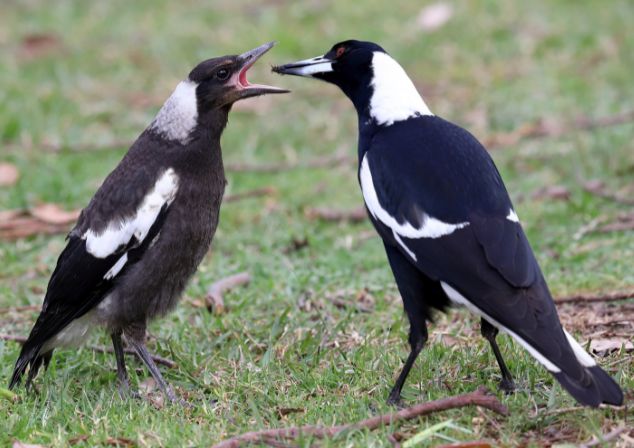
It is an offence in Western Australia to feed native fauna, including birds, without a licence as part of updated regulations under Section 155 of the West Australian Biodiversity Conservation Act 2016.
There are serious impacts to feeding wildlife, as well as plenty of other ways in which you can support native wildlife without feeding the animals you come across. Please find more information about feeding birds and other wildlife through our helpful brochure.
Wildlife conservation plays a crucial role in maintaining ecological balance and safeguarding the unique species that call our community home.
Read on to discover our various conservation efforts and how we are addressing the needs of local wildlife, from Black Cockatoos to shorebirds, turtles, and beyond.
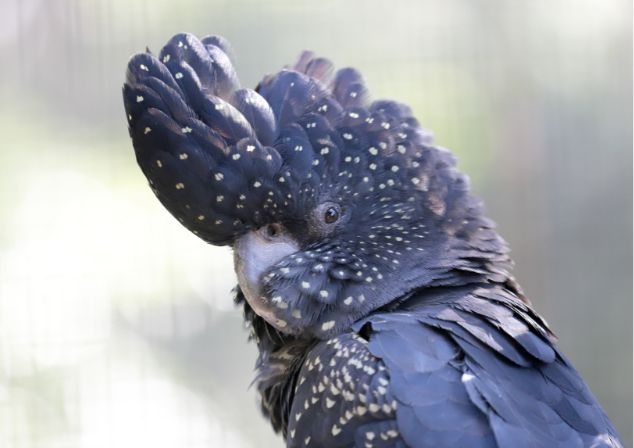
Three species of Black Cockatoo are native to south-western Western Australia and found nowhere else in the world. Due to habitat loss from land clearing and a shortage of nesting hollows, these birds are now endangered and their population continues to decline.
- Piney Lakes Reserve has had a long standing restoration project of a 4ha area of bushland that has been revegetated with food species for the threatened Black Cockatoos. An additional 4.25ha has been added recently and is also being actively revegetated with food species for Black Cockatoos.
- In partnership with Murdoch University, LotteryWest, South East Regional Centre for Urban Landcare and Perth NRM, the City has a new Cockatoo Conservation Action Plan, identifying areas for future revegetation, installation of a network of watering stations and other actions to help conserve these birds.
- The City of Melville currently has five bird watering stations supplied by Town of Victoria Park, one each at Piney Lakes Reserve, Douglas Freeman Park, Wireless Hill Park, Carawatha Park, and Point Walter Reserve. These watering stations provide fresh, clean water to our birdlife, keeping them safe from roads and predators.
City of Melville joins fellow local governments Augusta-Margaret River, Denmark, Nannup, Mundaring, Bayswater, Cockburn, Fremantle and East Fremantle who have made declarations to be owl friendly.
To learn more about alternative control options and other actions you can take, visit:
Our foreshore reserves provide habitat and feeding grounds for a large number of water birds, including the Black Swan, Fairy Terns and Osprey. Some of the foreshore is part of the East Asian-Australasian Flyway; a significant international flight path for migratory birds.
These international travellers fly from the northern hemisphere and northern Australia to nest and feed along the foreshore at certain times of the year. A significant component of the estuary and foreshore has now been recognised as the Melville Bird Sanctuary, an outcome from the Attadale Alfred Cove Foreshore Master Plan.
For more information on birds found locally see the City of Melville’s Bird Watching Guide.
How you can help protect shorebirds in Melville
- Adhering to signage in place while birds are nesting and sticking to designated footpaths.
- Keeping your dogs on a lead and only exercising dogs in permitted areas. For further information on dog exercise areas please visit dog https://www.melvillecity.com.au/our-community/animals-and-pets/dog-ownership-rules-and-management
- Take your rubbish home with you or place it responsibly in a nearby bin. If the bin is full or overflowing, find a less full bin to put your waste in to prevent litter from blowing into the environment. Contact us to request the emptying of a public bin.
- If you are fishing, please use the Fishing Line Bins to place damaged or unwanted fishing line and hooks; better yet, take them with you to dispose safely
The City has partnered with the Saving Our Snake Necked Turtles (SOSNT) project to help conserve turtle populations. Residents can help by:
- Observing and recording turtle activity through the TurtleSAT app
- Becoming a volunteer Turtle Tracker
- Keep dogs leashed around wetlands and cats indoors
- Drive cautiously around wetlands
- Be aware of what goes into stormwater drains
- Read our fact sheet to learn more ways to help, or find answers to other frequently asked questions