
Find out how we trap and manage feral animal species, along with advice for residents on reporting and managing pests.
Animal Trapping and Management
Our feral animal control program targets feral foxes, cats and rabbits which are identified as feral animals under the Biosecurity and Agricultural Management Act 2007 (WA).The program assists in the conservation of our native flora and fauna by minimising the effects of introduced species on the natural environment.
Our approaches are designed to take into consideration animal welfare, public health, the impact on native and domestic species and suitability to our local conditions. All trapping and control efforts are undertaken by licenced operators who work to comply with best practice and industry standards.
For more information see our Feral Animal Control Guidelines.
Upcoming trapping
Please be advised that City of Melville contractors will be conducting targeted fox and cat trapping in selected bushland areas to help protect native wildlife.
- Fox trapping will take place in John Connell Reserve, Quenda Wetland, Piney Lakes Reserve, Point Walter Bushland Reserve and Blackwall Reach Reserve for the week commencing 13 October onwards throughout Spring.
- RHDV (Rabbit Hemorrhagic Disease Virus) release is proposed for late October and November at John Connell Reserve, Fred Johnson Reserve, John Creaney Reserve, Quenda Wetland, Booragoon Lake, Blue Gum Lake, Piney Lakes Reserve, Wireless Hill Reserve and Blackwall Reach Reserve. Please note this virus only affects rabbits and hares.
Signs will be installed at each site ahead of trapping activity. We ask all visitors to please observe and follow on-site signage, stick to the formalised footpaths during trapping periods and keep domestic pets and children out of bushland areas, particularly at night.
Foxes are caught at night using traps and the animals are then removed from reserves. If any fox dens are located they are destroyed where possible to prevent other foxes from moving in.
Fox trapping occurs every quarter, with a stronger focus during spring and summer. Signs will be posted in fox trapping locations prior to any trapping occurring.
Cat trapping is carried out within various bushland areas and reserves. Any stray or unregistered domestic cats found will be taken to City of South Perth Animal Facility. If cats are sterilised, microchipped, registered and wearing their registration tag they will not be taken to City of South Perth Animal Facility and instead will be released nearby.
Cat trapping is only performed as required. Signs will be posted in cat trapping locations prior to any trapping occurring.
Rabbit control is undertaken at the same time as cat and fox trapping to ensure the larger animals don’t substitute dwindling rabbit prey for native species. Rabbits are managed through controlled virus release.
We do not use Pindone Bait as this poses a risk to our native quenda and southern brown bandicoots.
We currently do not undertake any control of corella’s and rainbow lorikeets. We encourage residents to log roosting site information for Rainbow Lorikeets to Birdlife WA’s Operation Rainbow Roost.We do not conduct culls of ravens in urban areas as they are a native species and are protected under State and Commonwealth wildlife legislation.
The European honeybee is an introduced pest to our bushlands and has negative effects on our natural environment and native species by taking up nesting hollows and deterring native bee species. To manage bees (including European honeybees) we engage with a contractor to remove beehives that pose a safety risk in our parks, reserves and streetscapes. In streetscapes effort is made to relocate hives, however in bushland areas it is usually impossible to move hives, so they are removed.
To report beehives that are posing a safety risk, please fill in our online form. You can assist us with honeybee management by taking good care of back yard beehives to prevent swarming. Find out more about beekeeping rules in our City.
Please note: We cannot remove beehives or swarms on private property. See more information on beehives on private property.
Reporting Feral Animals
We use information from the community to help identify where and when animal trapping needs to occur. Contact us to report the sighting of foxes, rabbits or cats on any of our parks, reserves or streetscapes.
Feeding Wildlife
It is an offence in Western Australia to feed native fauna, including birds, without a licence as part of updated regulations under Section 155 of the West Australian Biodiversity Conservation Act 2016.
There are serious impacts to feeding wildlife, as well as plenty of other ways in which you can support native wildlife without feeding the animals you come across. Please find more information about feeding birds and other wildlife through our helpful brochure.
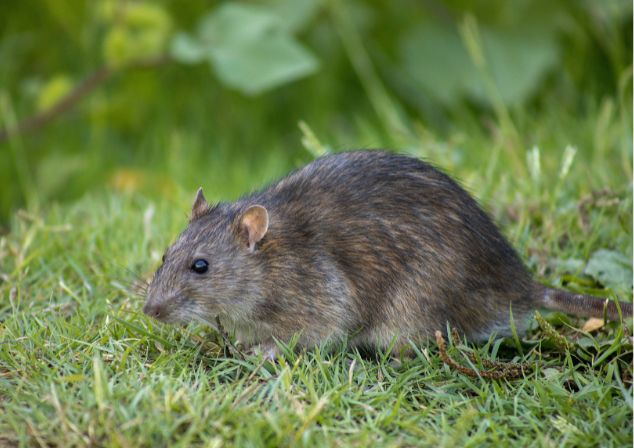
Rats
Rodent baits can have a serious impact on native wildlife (and pets) around us. Certain poisons known as second generation anticoagulant rodenticides (SGARs) can kill not only the rats and mice they are targeting, but any bird or animal that might eat the dead or dying rodent.
Read the following documents by BirdLife Australia to find out more:
- Bird-Friendly Rodent Control for Gardeners
- Pet-Friendly Rodent Control
- Managing Rodents without Second Generation Anticoagulant Rodenticides (SGARs)
For more information on managing rats on private property, visit Preventing Rats and Mice.